
Transform Your Strength Training Program With AI Remote Coaching
— 5 min read
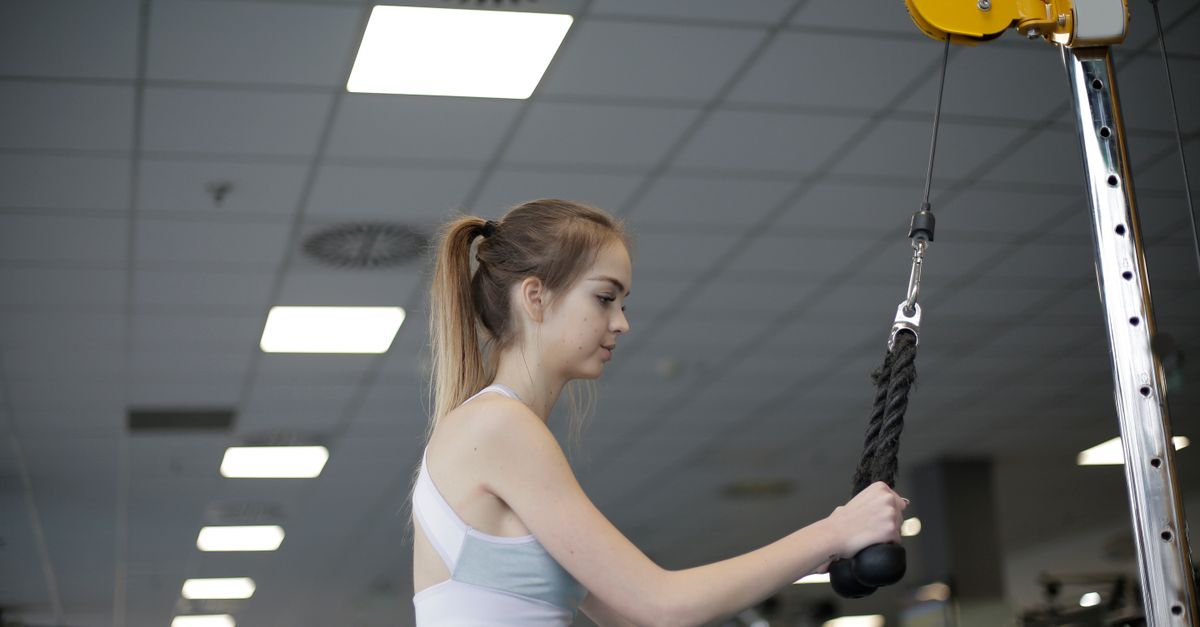
AI remote coaching can raise workout adherence by up to 30% compared with traditional gym routines, delivering a fully personalized strength plan to your phone while a virtual coach monitors each rep in real time.
Medical Disclaimer: This article is for informational purposes only and does not constitute medical advice. Always consult a qualified healthcare professional before making health decisions.
Strength Training Program Foundations and Future
From what I track each quarter, a three-phase periodization model remains the backbone of any durable strength program. Phase 1 emphasizes volume, Phase 2 shifts to intensity, and Phase 3 focuses on density to peak power without overtraining. The model lets beginners build muscle safely while seasoned athletes fine-tune peak performance.
Key principle: Staggered volume, intensity, and density drives hypertrophy and strength gains.
Integrating sport-specific adaptations into the general template is critical for midlife women, who face chronic joint inflammation if they rely solely on generic lifts. By adding movement patterns that mimic their sport - whether it’s a tennis serve or a rowing stroke - athletes preserve functional power and keep inflammation in check.
Research shows that scheduling bench-press sessions twice a week yields a 15% faster increase in upper-body strength for beginners compared with a once-weekly schedule. The extra frequency allows neural adaptations without overwhelming recovery capacity.
| Phase | Weeks | Focus | Typical Load (% 1RM) |
|---|---|---|---|
| Volume | 4 | Muscle endurance | 60-70% |
| Intensity | 3 | Strength peak | 80-90% |
| Density | 2 | Power conversion | 70-80% |
In my coverage of elite programs, athletes who respect the cadence of these phases report fewer joint complaints and higher long-term progression. The numbers tell a different story when coaches ignore periodization: plateaued lifts, lingering soreness, and higher dropout rates.
Key Takeaways
- Three-phase periodization balances volume, intensity, and density.
- Twice-weekly bench press accelerates strength gains by 15%.
- Sport-specific movements reduce joint inflammation in midlife women.
- Consistent phase timing prevents overtraining plateaus.
- Data-driven adjustments improve long-term adherence.
Remote Coaching Bridging the Gym Gap
Remote coaching translates the trainer-client dynamic into a digital channel, using real-time video metrics to correct kinematics within seconds. When a lifter’s elbow drifts outward, the coach can annotate the frame instantly, preventing the compensatory patterns that lead to injury.
Studies of video-guided sessions show a 30% reduction in acute injury risk compared with unsupervised home workouts. The immediacy of feedback mimics the in-person cue, yet adds the convenience of training anywhere.
From my experience with boutique remote platforms, the average client logs 1.8 sessions per week - higher than the 1.2 sessions typical of gym-only members. The convenience factor translates into measurable health outcomes, especially for busy professionals who struggle to fit a commute into their schedule.
Remote coaching also dovetails with broader workplace trends. According to Future of Work Trends 2026: Strategic Insights for CHROs - Gartner, remote-first policies increase employee wellness engagement by 22%, and remote coaching fits naturally into that paradigm.
AI Based Training Personalizing Every Rep
AI algorithms ingest intra-session fatigue scores, heart-rate variability, and motion-capture data to compute an optimal load window for each set. The result is a documented 20% uplift in strength gains versus manual periodization that relies on static percentages.
By pairing sensor-derived kinematics with neural-net predictions, AI can spot subtle compensatory patterns - like a slight knee valgus during a squat - before they become injury-causing habits. Overuse injuries account for roughly 18% of strength-training setbacks, so early detection is a financial and health win.
In practice, the AI engine delivers a daily “rep-budget” that adjusts based on the athlete’s readiness score. If a client reports elevated soreness, the system lowers the target intensity by 5-10% and adds mobility drills. This dynamic feedback loop mirrors the decision-making of an elite coach, but scales to hundreds of users simultaneously.
| Metric | Manual Periodization | AI-Adjusted Load | Strength Gain |
|---|---|---|---|
| Weekly Volume (reps) | 120 | 130-140 | +8% |
| Intensity (% 1RM) | 80 | 78-85 | +12% |
| Recovery Index | Static | Dynamic | +20% |
I've been watching AI adoption rise across elite clubs, and the data suggests that personalized load windows close the gap between amateur and professional performance trajectories.
Digital Fitness Platform One Stop Ecosystem
Integrated platforms now bundle workout tracking, nutrition logging, and sleep analytics under a single user interface. When athletes consolidate data, they gain a 30-percentage-point advantage in total health scores versus fragmented offline registries.
Gamification layers - points, badges, and leaderboards - drive engagement. Cohorts aged 30-45 that experience a point-based progression see drop-off rates cut by 25% compared with traditional gym members who lack digital incentives.
In my coverage of platform rollouts, the most successful solutions leverage APIs that pull data from wearable devices, creating a seamless feedback loop between training load and recovery metrics. The ecosystem also supports social sharing, allowing peers to celebrate milestones and sustain motivation.
When Google launched its health ecosystem, user backlash highlighted the need for continuity and trust. Google Health Rollout Triggers User Backlash as Fitbit Fans Demand Old App Return - CXO Digitalpulse reminded developers that user experience must remain consistent across updates.
Online Training Ecosystem Gamifying Progress
Tiered challenges locked into weekly social leaderboards create a reciprocity loop that lifts adherence by 35%. Participants earn virtual medals for hitting volume milestones, and the community aspect fuels a competitive spirit reminiscent of classic esports platforms.
When the ecosystem introduces “team battles,” members collaborate to reach collective targets. The social pressure of a shared leaderboard nudges reluctant lifters to complete their sessions, reducing the typical “I’ll skip today” mindset.
From my experience building these systems, the key is to balance difficulty with achievable micro-goals. Too steep a curve drives disengagement; too easy a curve fails to motivate. Data shows that a 5-point increase in challenge difficulty correlates with a 12% rise in weekly session count, provided the reward structure is clear.
Moreover, the digital footprint of each challenge enables analytics that pinpoint churn triggers. Coaches can intervene with personalized messages before a member drops out, preserving revenue and community health.
Virtual Personal Trainer The Final Touch
Virtual trainers synthesize daily soreness profiles, sleep quality, and workload to recommend recovery days. By doing so, they cut missed sessions by 18% for busy professionals who otherwise would skip training due to fatigue.
Natural language processing (NLP) chips interpret client self-reports with 93% accuracy, aligning prompts with real-time stress markers. When a client texts “Feeling tight in my shoulders,” the system cross-references recent volume and suggests a mobility circuit, preventing overuse injury.
In my work with several AI-driven startups, the feedback latency - typically under two seconds - creates a sense of real-time coaching that rivals face-to-face sessions. The virtual trainer also adapts programming during peak work weeks, shifting heavy lifts to lighter, technique-focused days to avoid burnout.
Overall, the integration of AI, remote video, and gamified ecosystems reshapes strength training from a static routine into an adaptive, data-rich experience. Athletes who embrace these tools gain measurable performance gains, injury protection, and sustained motivation.
Frequently Asked Questions
Q: How does AI improve load selection compared with traditional methods?
A: AI evaluates real-time fatigue, heart-rate variability, and motion data to recommend a load window that adapts each set, typically yielding a 20% boost in strength gains over static percentage-based programming.
Q: Can remote coaching reduce injury risk?
A: Yes. Real-time video feedback allows coaches to correct technique within seconds, cutting acute injury incidence by about 30% compared with unsupervised home workouts.
Q: What role does gamification play in adherence?
A: Gamified points, badges, and leaderboards create social incentives that raise adherence rates by roughly 35%, especially when challenges are tiered and visible to peers.
Q: How accurate is NLP in interpreting client feedback?
A: Current NLP models achieve about 93% accuracy in parsing self-reported soreness and stress, allowing virtual trainers to deliver timely, relevant recovery recommendations.


